When I was thinking about the trends we can expect in wellness this year, I reflected on my many conversations with health experts. During my time as a wellness editor, I’ve spoken with hundreds of scientists, nutritionists, psychologists, doctors, researchers, founders, and innovators. These practitioners provide a unique perspective on how health and wellness trends are created and why we choose to follow them.
We are social creatures and naturally want to be part of a dominant social group. Social media often presents the idea that everyone is engaging in particular trends and behaviours, and that, therefore, we should be too. For this reason, weird or problematic behaviours can quickly become the dominant script if we’re not careful. What seems like wellness might, in fact, be the opposite – but if everyone else is doing it, who are we to question it?
Also coming up in this week’s newsletter: |
|
|
- Wellness forecasts for 2026
-
Should you have hyperbaric oxygen therapy?
- My favourite activewear pieces
|
I like to think I’ve done a pretty good job of hacking my Instagram algorithm so that it just shows me rescue dogs and cool facts about trees. My TikTok on the other hand has been non stop self optimisation, weight loss and plastic surgery content from the start of January. I tap “not interested” but I’m still served the same content. This isn’t quite the soft landing into 2026 I had hoped for.
When it comes to being influenced by trends and controlling what we see, particularly with regards to our health and self image, we have to be active participants in creating our own reality. The many experts I’ve spoken with have warned of what can happen if we take a passive approach to our wellbeing and allow ourselves to be manipulated too heavily.
These days we live in a world where the majority of the health and wellness information we consume comes from social media. This means much of it comes from marketers, influencers and brands, not from those experts I mentioned. For that reason, when we see a new trend we have to ask ourselves: will this actually benefit my health, what’s the source, where’s the research and why is it a trend? |
|
|
Wellness culture is and has always been the product of a social, political and economic environment |
|
|
I wrote about the currents and trends we can expect to see in 2026 in my wellness forecast piece here. I also considered why we’ll be doing the things on this list and the forces that will continue to influence us to do them. Nothing exists in a vacuum – there’s always a cause and effect, and influencers who make you feel bad about your habits at the start of a new year by selling you a trend are themselves the product of a wider trend.
Wellness culture is, and has always been, the product of a social, political, and economic environment that shapes the way we think about being well and being unwell.
Over the weekend, I met Dave Asprey, the creator of the biohacking movement. He said, “Since the dawn of time, humans have tried to control our state.” What he meant by this was that we experiment with variables like stimulants to wake us up or meditation to relax us – all with the aim of achieving the perfect state.
We see this all over social media, as a flood of videos on how to feel, look, and behave better enters our consciousness the moment we open the app. Some of these videos will go viral and create new, bizarre health trends – but these videos all exist in the context of wider trends.
As the wellness industry’s value reaches the trillions, it’s important for us all to consider whether trends are worth following and buying into. My advice is to look to real experts for the facts about health and to focus on the basics – good sleep, a balanced whole-food diet, and regular movement – before following any kind of trend. |
| |
Enjoying Well Enough by Emilie Lavinia? |
|
|
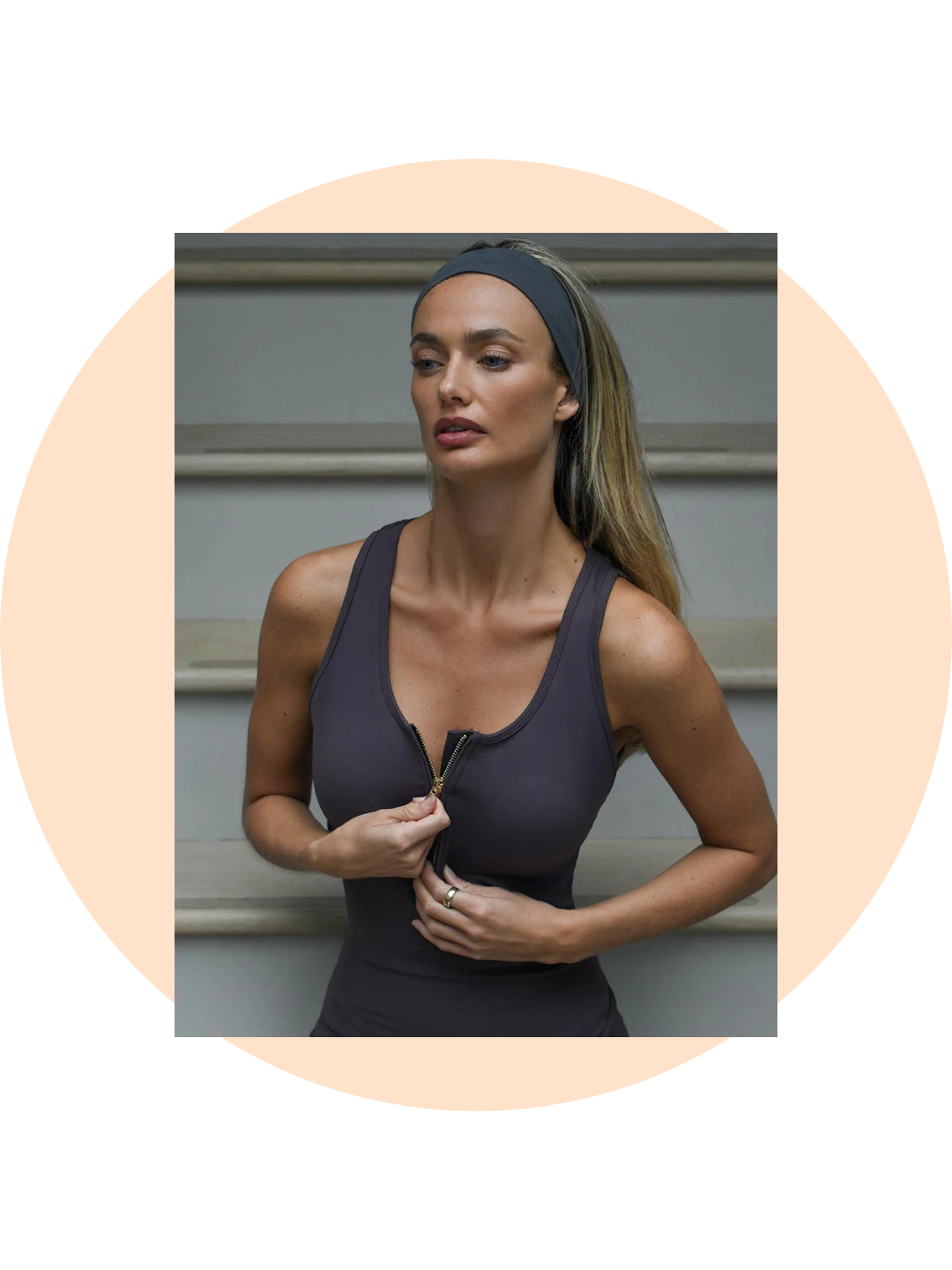
Whether I’m in the gym or working out gently at home, there are activewear heroes I keep coming back to time and time again. I like plenty of support on my top half, and I like to feel cinched in, so the Simone vest from Naia Active is my go-to. |
| |
|
I have short legs so super-long leggings have always been an issue for me. My favourite petite-length leggings are from a variety of brands but my number one is the 7/8 legging from Sweaty Betty. I’ve been wearing the power gym leggings in this length from the brand for many years and they never let me down for form, function and comfort.
|
|
|
At this time of year studios can be cold so a cosy sweatshirt is a must. My favourite is the silky yet substantial Air Essentials quarter zip from Spanx. I have a few of these in different colours because they're supremely comfortable and the matching wide-leg yoga pants are great to travel in too.
|
|
|
Should I use a hyperbaric oxygen chamber? |
I received a message last week from someone who struggles with nausea. Their message came to me on Instagram, where I’d recently posted a video about the tampon tax and how difficult it can be for some people to access menstrual products.
This person told me they’d enjoyed the video and started to share some of her story with me. She’d tried everything to treat the nausea she experienced during her period, and nothing seemed to work. She’d been considering trying hyperbaric oxygen and wanted to know my thoughts on the treatment.
I told her to be very, very careful. Despite HBOT (hyperbaric oxygen therapy) being available on the high street at several biohacking clubs and clinics now, it’s a risky treatment that, in my view, is totally unnecessary for most people.
When it first entered the scene as part of a biohacking protocol, I was curious about it, so I tried it. The experience was not pleasant, and I didn’t feel all that different after several sessions. The idea is that you breathe 100 per cent oxygen in a pressurised chamber. This increases oxygen levels in the blood and promotes rapid healing. Typically, it’s used in medical settings to help with decompression sickness or poisoning. The issue is that, for a healthy person, it can also cause damage to the lungs, brain, eyes, ears, and sinuses. I personally had minor ear issues after my last session and didn’t feel confident about the expertise of the team administering and overseeing the session – most of the people working in these clinics are not medical professionals.
For me, the risks outweigh the benefits, and there isn’t enough support or evidence to safely recommend a treatment like this one. My advice to this person was to seek alternative therapies for hormone-induced nausea, such as red light on the stomach and reproductive organs, a period protocol diet, walking, and certain types of breathwork.
You can also take antiemetics prescribed by a doctor, but I would recommend keeping a symptom diary so you can show your doctor evidence of exactly what happens during your cycle and how you feel. |
Want to ask me a question? |
|
|
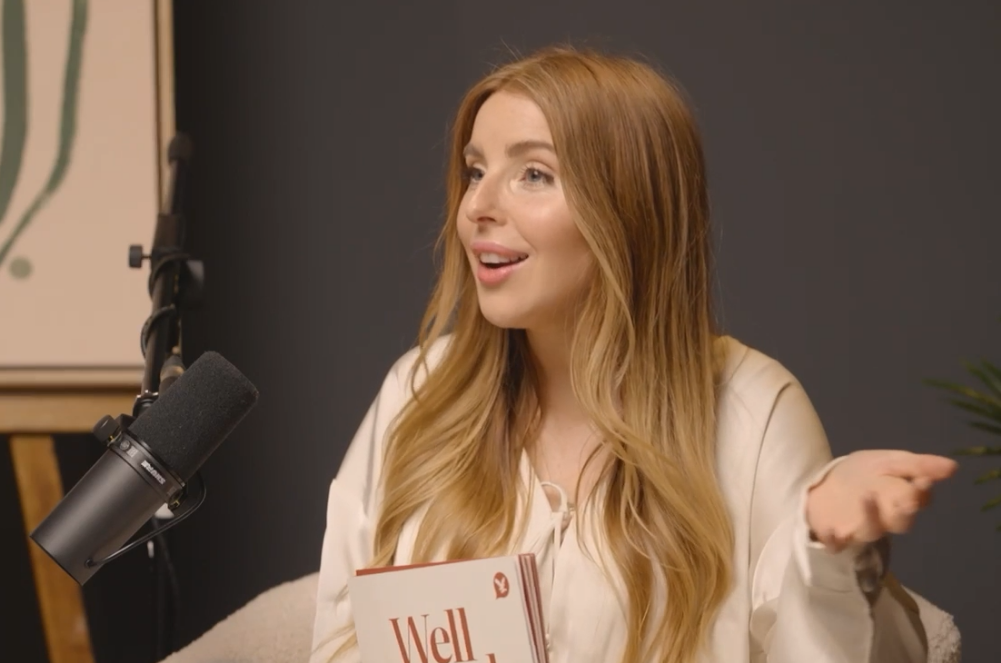
The Well Enough podcast is back soon! Keep up to date with the latest releases here. |
|
|
Thank you for reading. Until next week, stay well. |
|
|
Join the conversation and follow me |
|
|
|