“I can’t breathe.” The final words of Henry Nowak, as he lay dying in police handcuffs, having been stabbed by a man who lied about having been racially abused by the 18-year-old university student, are painfully reminiscent of those of George Floyd.
The death of the Black truck driver, murdered during an arrest by a white officer in Minneapolis almost exactly six years ago, sparked the Black Lives Matter movement and led to protests around the world. Could Nowak’s death be Britain’s “George Floyd moment”?
It is a question that would have seemed unthinkable just a few weeks ago, says Sean O’Grady. Yet the haunting similarities are impossible to ignore. A young man dies after pleading that he cannot breathe. Video footage spreads online. Public anger grows. Politicians rush to offer explanations. Trust in the police comes under intense scrutiny.
Nevertheless, we cannot allow populists to hijack grief with – to borrow a phrase – “pure, cold rage”, says O’Grady. “We’ve met the likes of Farage, Robinson and Lowe before, and we know they don’t have the answers. In fact, they’re the real problem.”
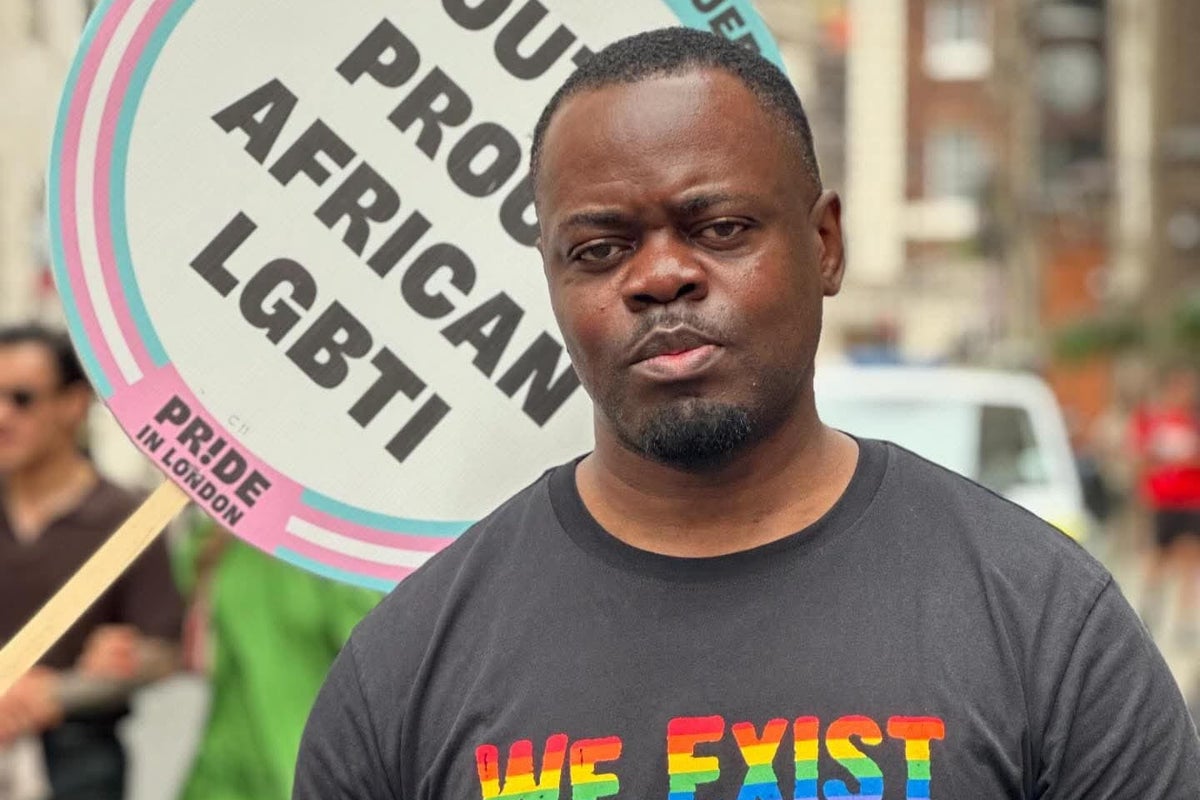
Indeed, “Nigel Farage is conducting a culture war over Henry Nowak’s grave”, says former police and crime commissioner Festus Akinbusoye. The danger, he argues, is that the search for answers becomes secondary to the search for political advantage. Instead of focusing on justice, public debate risks descending into familiar tribal arguments that leave nobody any wiser.
Nimco Ali writes that widespread frustration with policing did not appear overnight. Confidence in the police has been damaged by years of scandals, failures and perceived inconsistencies. Many people feel that the system is not working as it should, she argues. That concern is shared across political divides, she says, and “it is entirely possible to reject Farage’s opportunism” while also recognising that the police bodycam footage of Nowak’s arrest after being stabbed by 23-year-old Vickrum Digwa has “drilled into a nerve”.
Whether Henry Nowak’s death becomes Britain’s George Floyd moment remains to be seen. What is already clear, however, is that the country has reached another crossroads. One path leads towards careful reflection and accountability. The other leads towards outrage, polarisation and endless culture-war skirmishes.
The choice, ultimately, belongs not just to politicians but to all of us. Until next week.