Drive Smart
Drive Smart

Who pays if a self-driving car crashes?

It sounds like a simple question, but as with so many things, the answer is more complicated. If your self-driving car crashes, who is responsible for paying for any damages? Could it be your insurer? The car maker? The software company? Or does everyone stand around pointing at each other while the owner wonders why their supposedly clever car has just driven itself into trouble?


For years, the car industry has talked excitedly about autonomous driving. We have been told it will make roads safer, take the stress out of driving and give us back time. But the big question has always been left hanging: if the car is doing the driving, who carries the can when it gets it wrong?


Now BYD has given a very clear answer. In China, at least.


The Chinese giant has announced what it calls Full Damage Coverage for its Urban Navigate on Autopilot (NOA) function, which forms part of its God’s Eye driver assistance system. In simple terms, BYD says that if one of its cars is involved in a legally liable accident while Urban NOA is being used correctly and within the rules, the company will directly cover all resulting economic losses.

That is a big statement. It is a car maker saying: we believe in this technology strongly enough to put our money behind it.


The cover will be offered for one year to new buyers in China, as well as existing owners who upgrade to God’s Eye 5.0. It follows a similar promise for BYD’s intelligent parking system, making the company the first car maker to offer damage cover for both intelligent parking and urban assisted driving.


That should make everyone else in the car business sit up, because this is not just about insurance. It is about trust. BYD is telling customers that its latest driver assistance tech is something the company is prepared to stand behind financially.


BYD says it already has more than 3.15 million cars on the road with intelligent driving assistance systems and claims its God’s Eye system is logging more than 124 million miles every day. Its long-term targets are even more ambitious: zero traffic accidents, driver assistance becoming what BYD calls a “Super Driver”, and AI acting as a “Super Personal Assistant”.


All of which sounds impressive. But if a car maker talks about a “Super Driver”, does that super driver come with super responsibility?


In China, BYD’s answer appears to be yes, within limits. In Europe and the UK, not yet.


Asked whether the company would provide the same level of cover in Europe, Alfredo Altavilla, BYD’s special adviser on Europe, told me: “When it comes to Europe, what I can tell you is that of course we will introduce this technology to the most important insurance companies in Europe. Of course, it is premature and it would be unwise on my end to announce any marketing strategy at this point. But certainly, as we believe that this technology might truly contribute to improving road safety, we would like to explain this to insurance companies. Then we’ll see what happens, but that is the plan.”


That is a careful answer. Europe has its own regulatory systems, insurance structures and legal expectations. The UK has its own rules too. A car maker cannot simply copy and paste a Chinese customer offer and assume it will work everywhere else.


But from a driver’s point of view, the gap is still important. BYD is effectively saying that in China it is confident enough to cover damage that might be caused when its system is being used correctly. In Europe, it wants to talk to insurers first. That makes sense from a business point of view. It is less satisfying from a consumer point of view.


I cannot help thinking this uncertainty is one of the reasons truly autonomous cars still seem to be, excuse the pun, pushed down the road. For all the excitement around self-driving technology, the industry has been promising it for years. We have been told again and again that autonomy is just around the corner, but that corner keeps moving further away. The technology is hard, of course. Roads are complicated and people are unpredictable. But the legal risk must be a huge part of the delay too.


If a human driver makes a mistake, the system knows what to do. There is insurance, blame, a claim and a process. If a car driving itself makes a mistake, it is different. Suddenly the argument is about software, sensors, mapping, data, updates, artificial intelligence, driver monitoring and whether the car maker should have predicted the very thing that just happened.


That could mean very big legal bills. It could mean car companies being found liable not just for one accident, but for the way an entire system behaves. No wonder so many systems are still wrapped in language like “assistance”, “supervised” and “beta”.


Tesla shows how sensitive this language has become. Its system is called Full Self Driving, but the full name is now Full Self Driving (Supervised). That word in brackets is doing an enormous amount of work; it tells you that, however capable the system may look, the driver is still expected to watch the road, stay alert and be ready to take over.


When I recently tried Tesla’s latest system in Europe, it was deeply impressive, calmly making its way through Amsterdam traffic, cyclists, pedestrians, trams and awkward junctions. Tesla’s own figures suggest its computers can be much safer than humans when its systems are active.


But Tesla’s system is still supervised. The driver remains the safety net. The car is helping, not taking legal responsibility. That distinction is vital, because the public language around autonomy can quickly run ahead of the legal reality.


Waymo is perhaps the clearest example of the other route. It is already running truly driverless robotaxis in parts of the US, without a human driver sitting there waiting to grab the wheel. Waymo’s own safety data says its autonomous driver has much lower crash rates than human-driver benchmarks in the cities where it operates: 0.71 any-injury-reported crashes per million miles for Waymo, compared with 3.90 for the human benchmark, and 0.28 crashes involving airbag deployment compared with 1.63.


Those are striking numbers. They suggest that, in the right place, with the right system, self-driving cars can already be safer than people. This technology is not just about being clever. It could save lives.


I often use the same example because it still feels the simplest. Most of us are perfectly happy to go on holiday on a plane that is on autopilot for the vast majority of the flight and may even use computers to help land. Yet when the same idea is applied to cars, we panic.
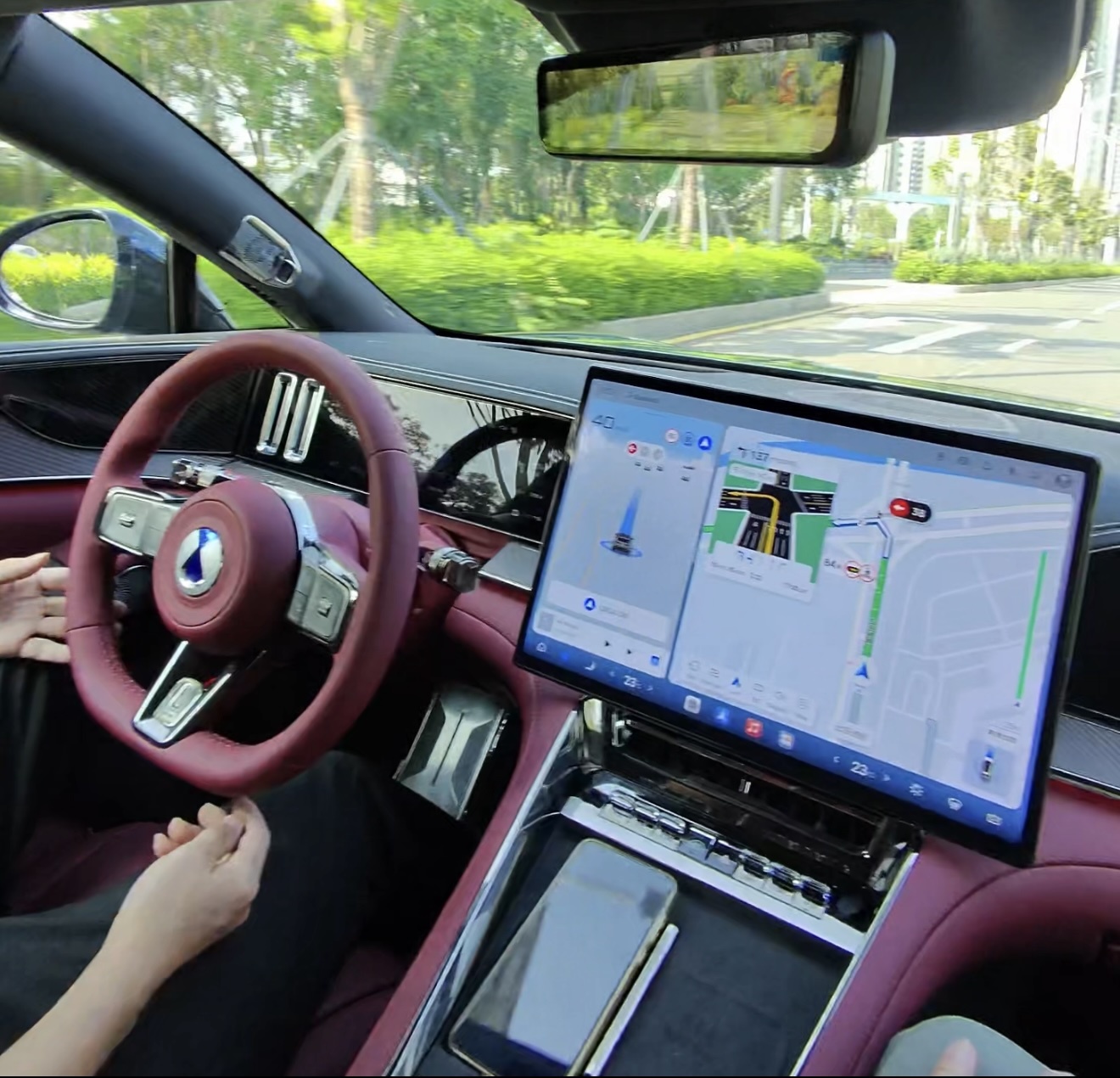
Self-driving Denza Z9 GT in China

After experiencing Tesla's Full Self Driving myself, I got a ride in a self-driving Denza Z9 GT in China

Partly that is because roads feel more personal and cars are around us every day. But it is also because the chain of responsibility is clearer in a plane. There are pilots, airlines, air traffic controllers, manufacturers, regulators and strict operating procedures. Nobody pretends a passenger in seat 22A is supervising the landing.


Some years ago, I reported on Volvo taking a very different tone. Back then, Volvo said it would accept full liability for accidents involving its driverless cars. Erik Coelingh, then Volvo’s chief technical officer, put it neatly: “Everybody is aware of the fact that driverless technology will never be perfect – one day there will be an accident. So, the question becomes who is responsible, and we think it’s unrealistic to put that responsibility on our customers.”


That quote still feels relevant today. Volvo’s point was simple: if the customer is genuinely driving, the customer is responsible. If the car is genuinely driving, the manufacturer should not pretend the customer is still fully in charge.

BYD’s move in China is important because it pushes that debate forward. It is not full autonomy. It is not a blank cheque. The cover only applies if the system is being used correctly and within the rules. But it is still a public promise that the manufacturer will stand behind the system in defined circumstances.


That is why BYD’s European position needs watching closely. If the company brings God’s Eye technology here, buyers will want to know whether the Chinese damage cover comes with it. If it does not, BYD will need to explain why. If it does, rivals will be under pressure to respond.


The technology is racing ahead. The legal and insurance world is trying to keep up. But for ordinary drivers, the answer needs to be simple: if I am driving, I am responsible. If the car is driving, the car maker needs to tell me exactly what it is responsible for.


And if BYD is prepared to pay when its driverless tech crashes in China, UK drivers will quite reasonably ask: what happens if it crashes here?


I’d love to know what you think about self-driving cars. As always, click on the link below to let me know. Thank you.

EMAIL ME
Steve Fowler

Steve Fowler

Electric Vehicles Editor

Steve Fowler

Steve Fowler

Electric Vehicle Editor


In the news this week

 
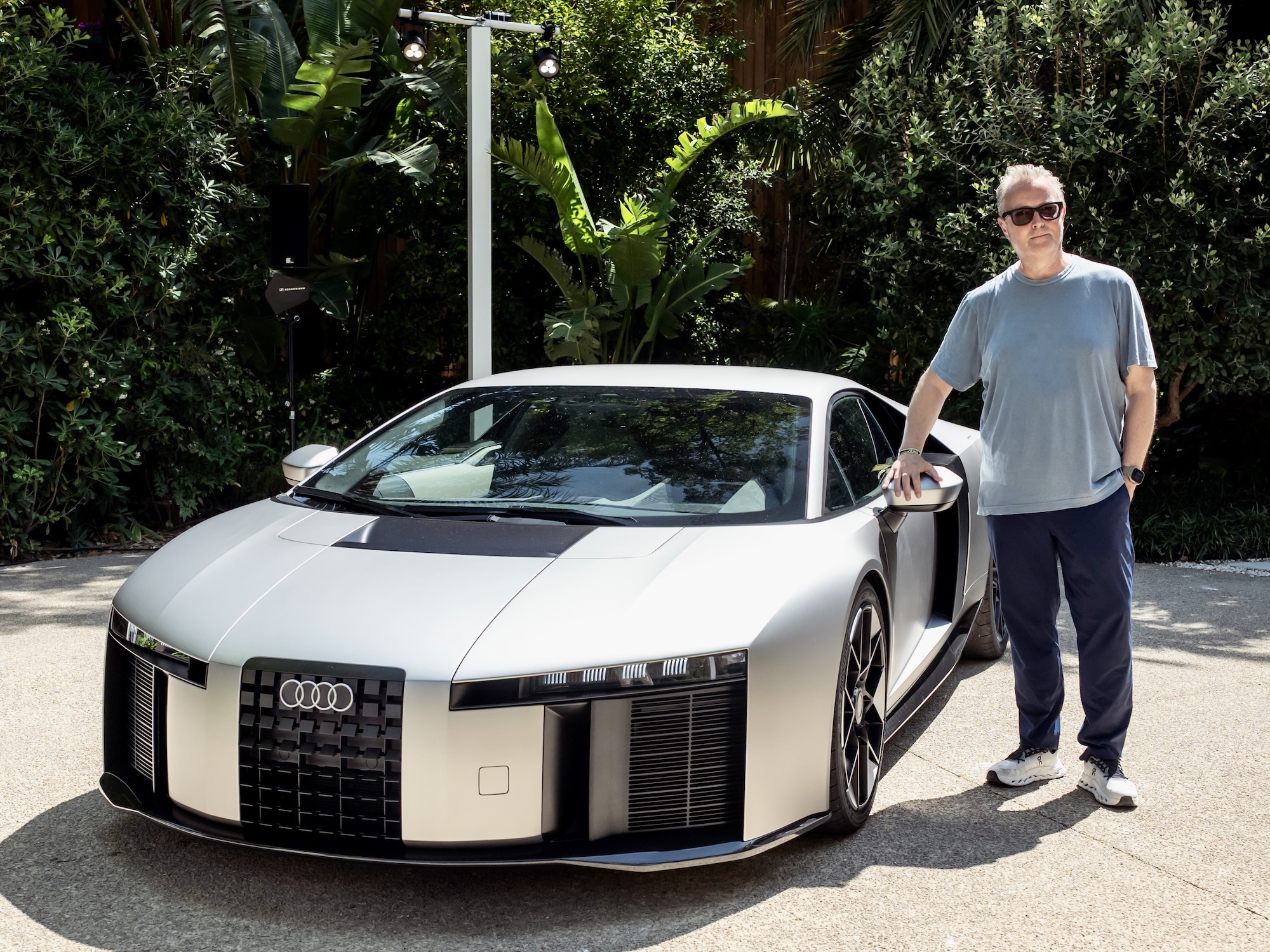
Audi Nuvolari

I’ve been in the £533k Audi Nuvolari

Pictures do not do Audi’s new supercar – the Nuvolari – justice. This fast plug-in hybrid uses F1 technology and features a carbon-fibre body. I have been behind the wheel – here is the full story.

 
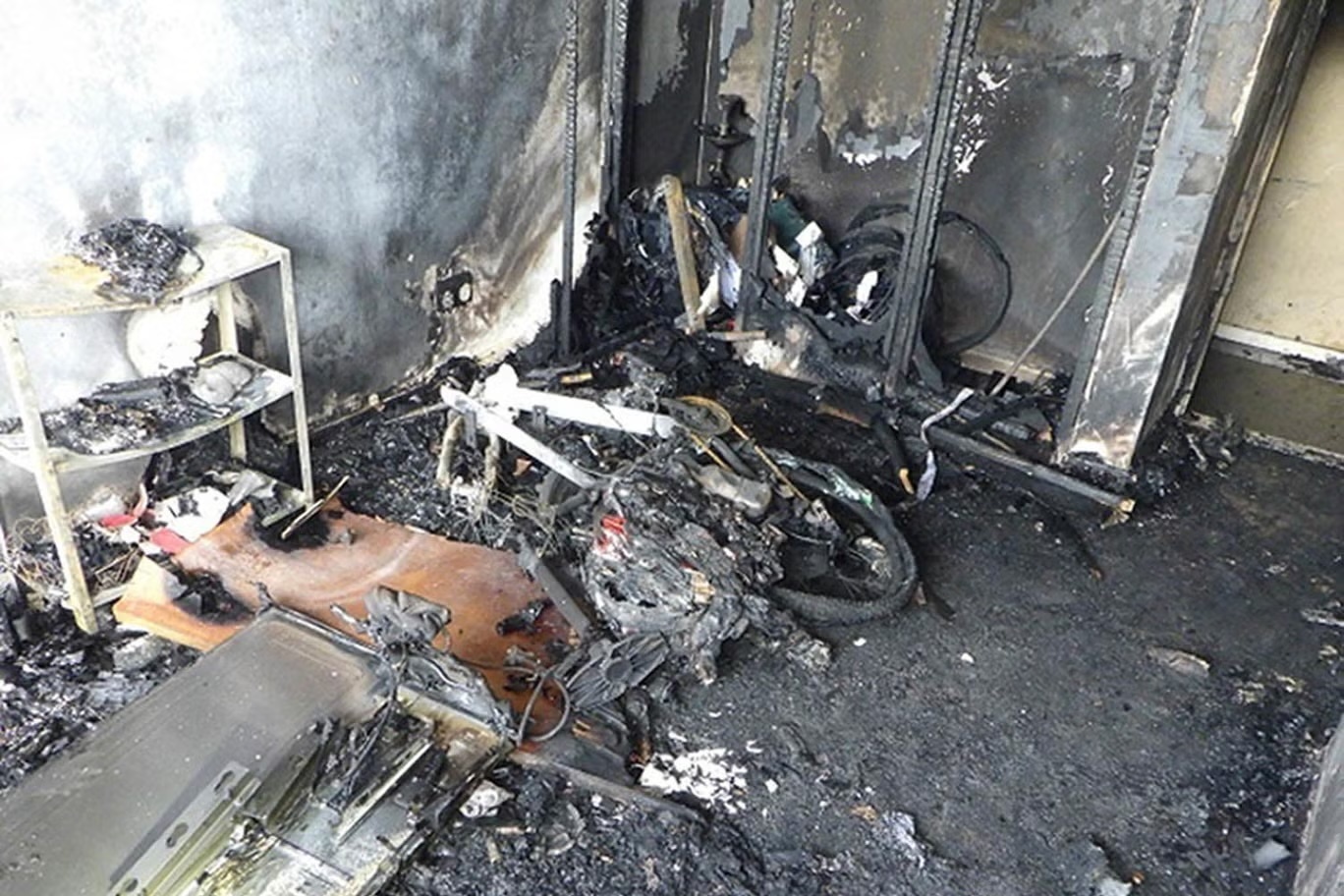
Battery fire

Could battery fires be in the past?

I met the British engineer behind clever new technology designed to make battery fires a thing of the past by detecting the warning signs before they start. It could soon be coming to cars.

 
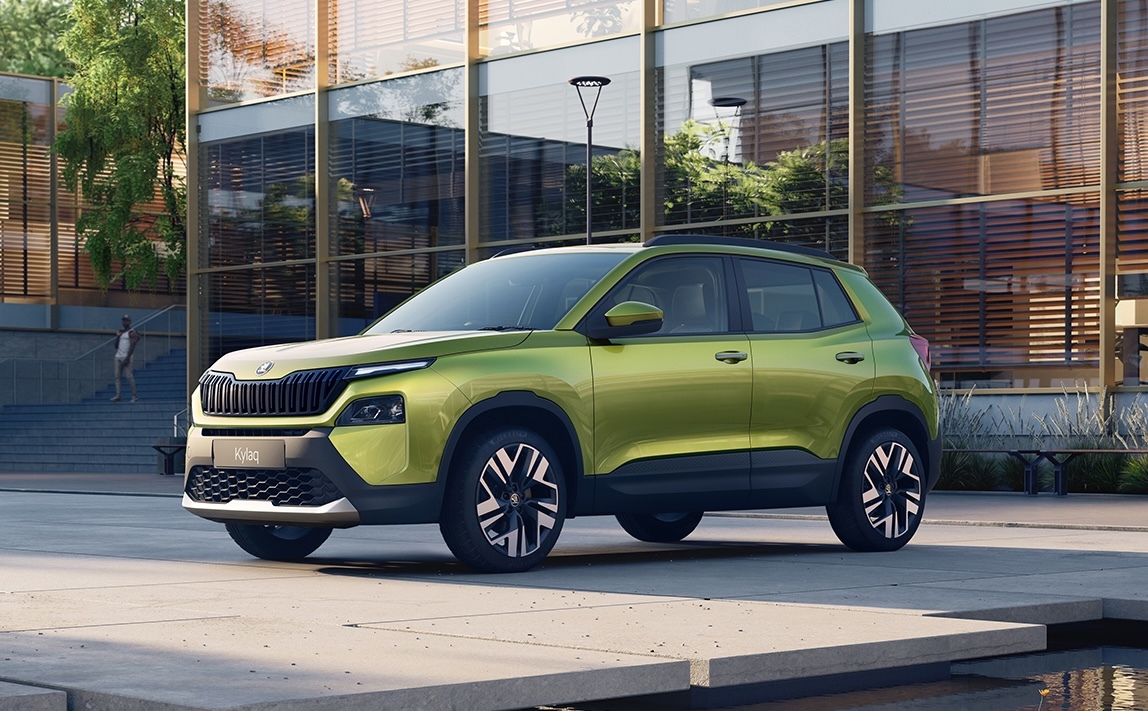
Skoda Kylaq

Indian-built Skoda SUVs to Europe?

We are getting used to Chinese cars in the UK, but what about Indian-built models? We already have a handful on sale, but Skoda could be about to bring its handsome…

 
Q&A

Your questions answered...

Question
 

I’m looking at electric SUVs, but I’m not sure whether to go for the longest range version or save money with the smaller battery model. Is the bigger battery always the better buy?


Matthew Martin, via email

Answer
 

Not always. In fact, one of the easiest ways to overspend on an electric car is to automatically pick the biggest battery simply because it offers the longest range on paper.


Think of it like buying a petrol car with a huge fuel tank. It might be useful if you regularly drive across the country, but if most of your journeys are local, you are paying extra to carry capacity you will rarely use.


Many electric SUVs now come with a choice of battery sizes. Models such as the Skoda Enyaq, Volkswagen ID.4, Kia EV3, Hyundai Kona Electric, Volvo EX30, Ford Explorer or Peugeot E-3008 can all make sense in different versions depending on how you use them. The key is to focus on your real-world mileage rather than the biggest number in the brochure.


If you can charge at home and most of your driving is school runs, commuting, shopping and the odd weekend trip, the smaller battery version may be more than enough. With the average driver covering around 20–25 miles a day, a car with a real-world range of 180–220 miles can comfortably cover most weekly use, especially when it starts each morning fully charged.


The larger battery starts to make more sense if you regularly do long motorway journeys, live somewhere with patchy public charging, tow, or simply want fewer stops. It can also help if you keep a car for many years, as gradual battery degradation will still leave you with usable range.


But there are trade-offs. Bigger batteries cost more, add weight and can reduce efficiency. They can also increase monthly payments, tyre wear and, in some cases, charging times when you do stop. A smaller, more efficient battery that charges quickly can be a better real-world choice than a larger, heavier one.


It is also worth looking at charging speed as well as range. A slightly smaller battery with fast rapid charging can be less stressful on long journeys than a larger one that takes longer to refill. The Hyundai Ioniq 5 and Kia EV6 are strong examples of charging performance being a key advantage, while cars such as the Tesla Model Y and Renault Scenic E-Tech balance useful range with efficiency.


Efficiency is fast becoming the new battleground for EVs, and it is something US electric car maker Lucid excels at. More efficient motors and slippery aerodynamics mean you do not need such a large battery, helping to keep costs down.


The best approach is to work backwards from your own life. How many miles do you drive most days? How often do you exceed 200 miles in one trip? Where will you charge – at home or elsewhere? And are you buying, leasing or using a company car?


For many drivers, the sweet spot is not the biggest battery at all, but the version that offers enough range without unnecessary cost. The savings can go on a higher trim, better tech, or simply stay in your pocket.


Do you have a question?

Send in your car questions for a chance to have them answered by me! 

SUBMIT YOUR QUESTION

WHAT HAVE I BEEN DRIVING THIS WEEK?

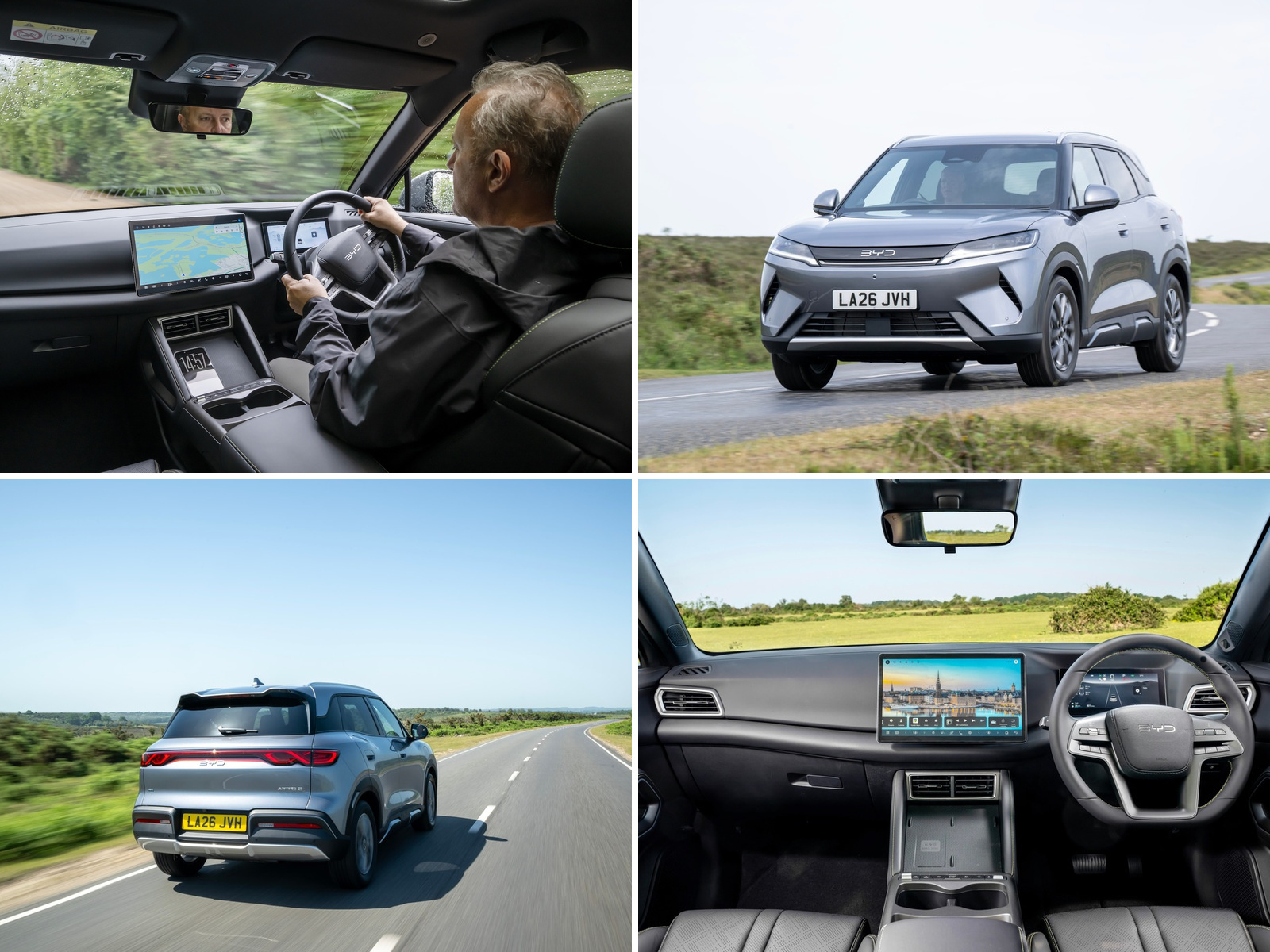
BYD Atto 2 DM-i – another week, another new BYD arrives. And for under £30,000 this one could be the most tempting yet

BYD Atto 2 DM-i

BYD promised that almost every one of its cars would be offered with a choice of electric or plug-in hybrid power, and now it’s delivering on that promise with the Atto 2 DM-i.


This is the plug-in hybrid version of BYD’s compact SUV, using the brand’s Super Hybrid tech to give you electric driving for everyday trips, with a petrol engine there for longer journeys. The headline numbers are certainly eye-catching, with the top Boost model offering up to 55 miles of electric-only range and a claimed total range of more than 600 miles.


I drove the £29,995 Boost version and the first thing that struck me was the quality. It feels properly premium inside, with a smart cabin, lots of kit and a lovely panoramic sunroof that makes it feel more expensive than it is.


The plug-in hybrid system is smooth and quiet, too, although the Atto 2 DM-i isn’t perfect. There are a few small niggles and one bigger weakness that stops it being quite the complete package.


Even so, for the money, this could be one of BYD’s most convincing cars yet. You can read my full review here.

 
The Independent